My PhysicalHealth Story
David Kelly
Drystock and Tillage Farmer from Co. Kildare
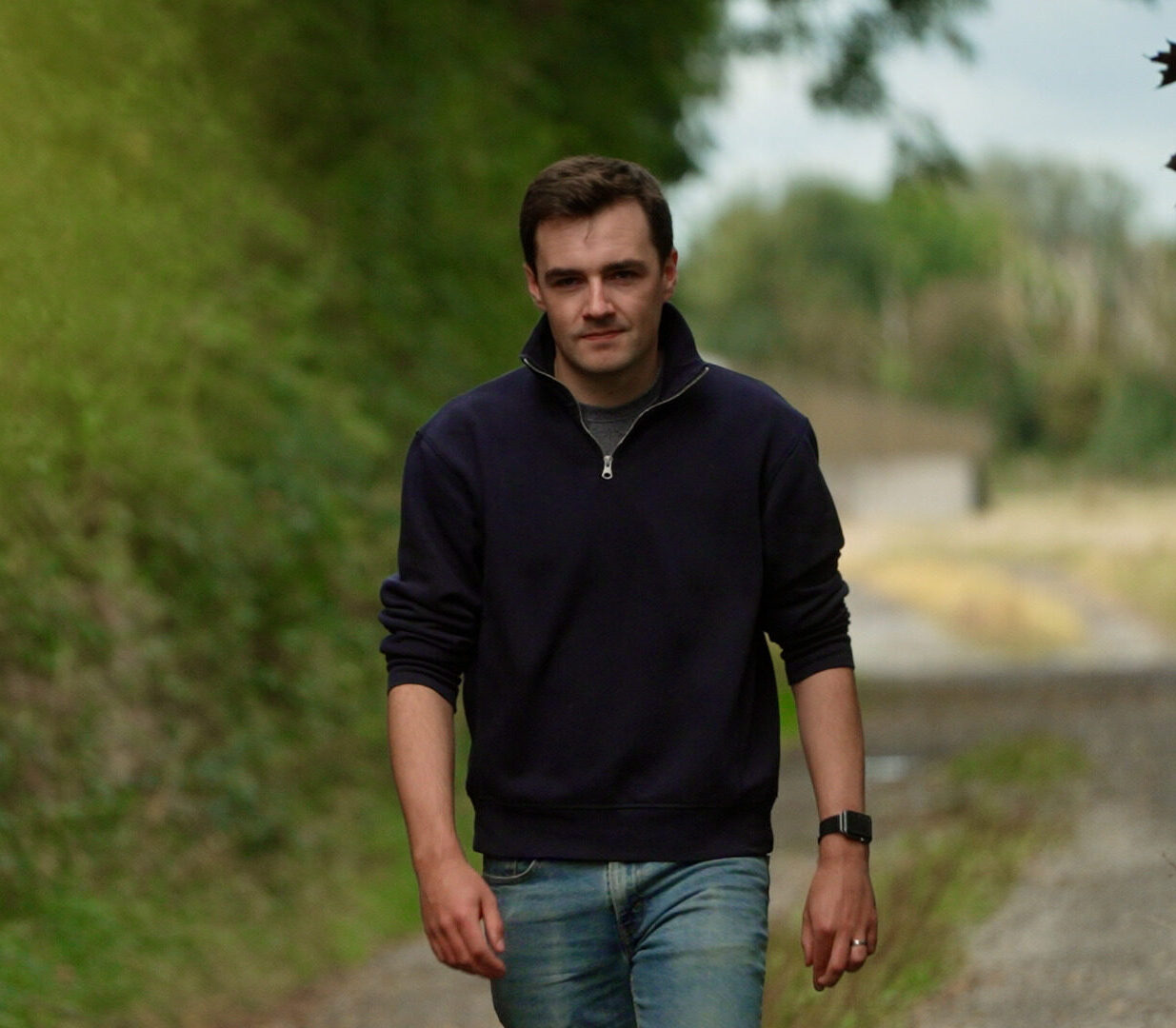
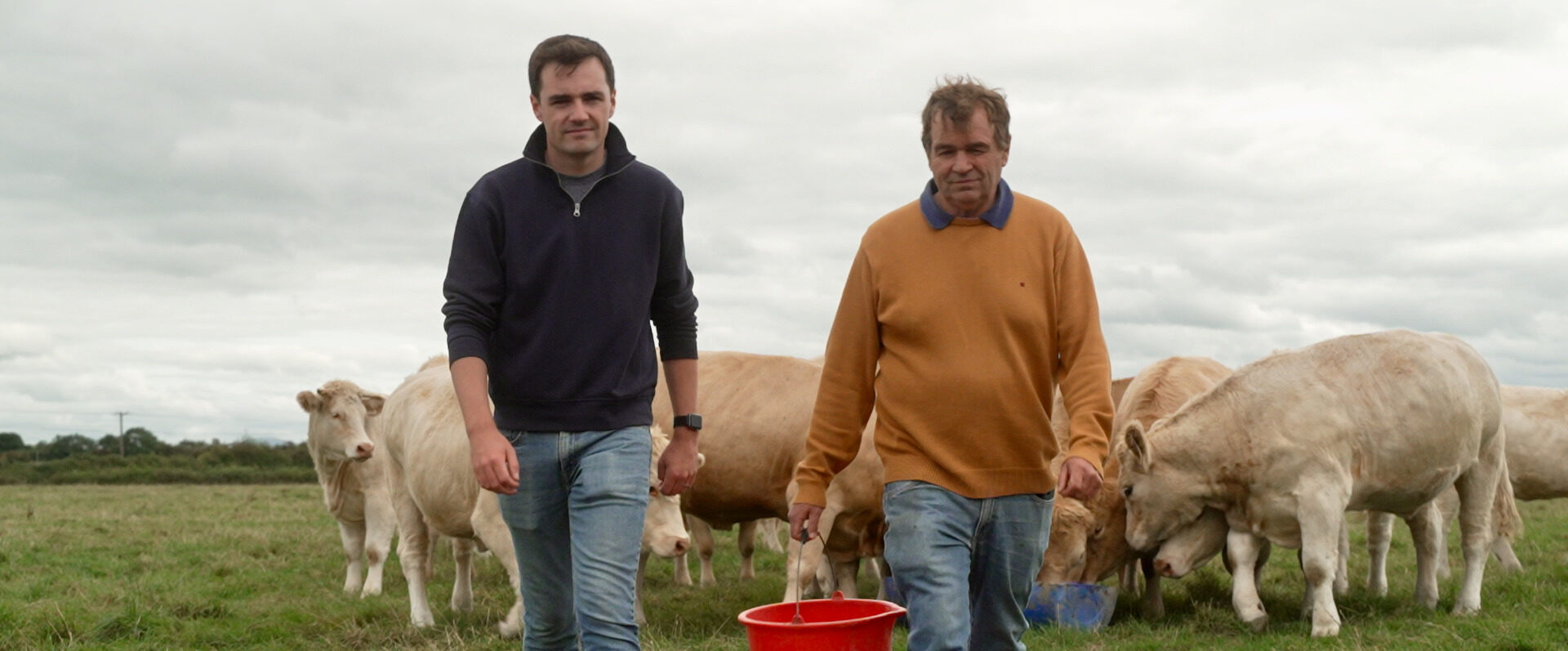
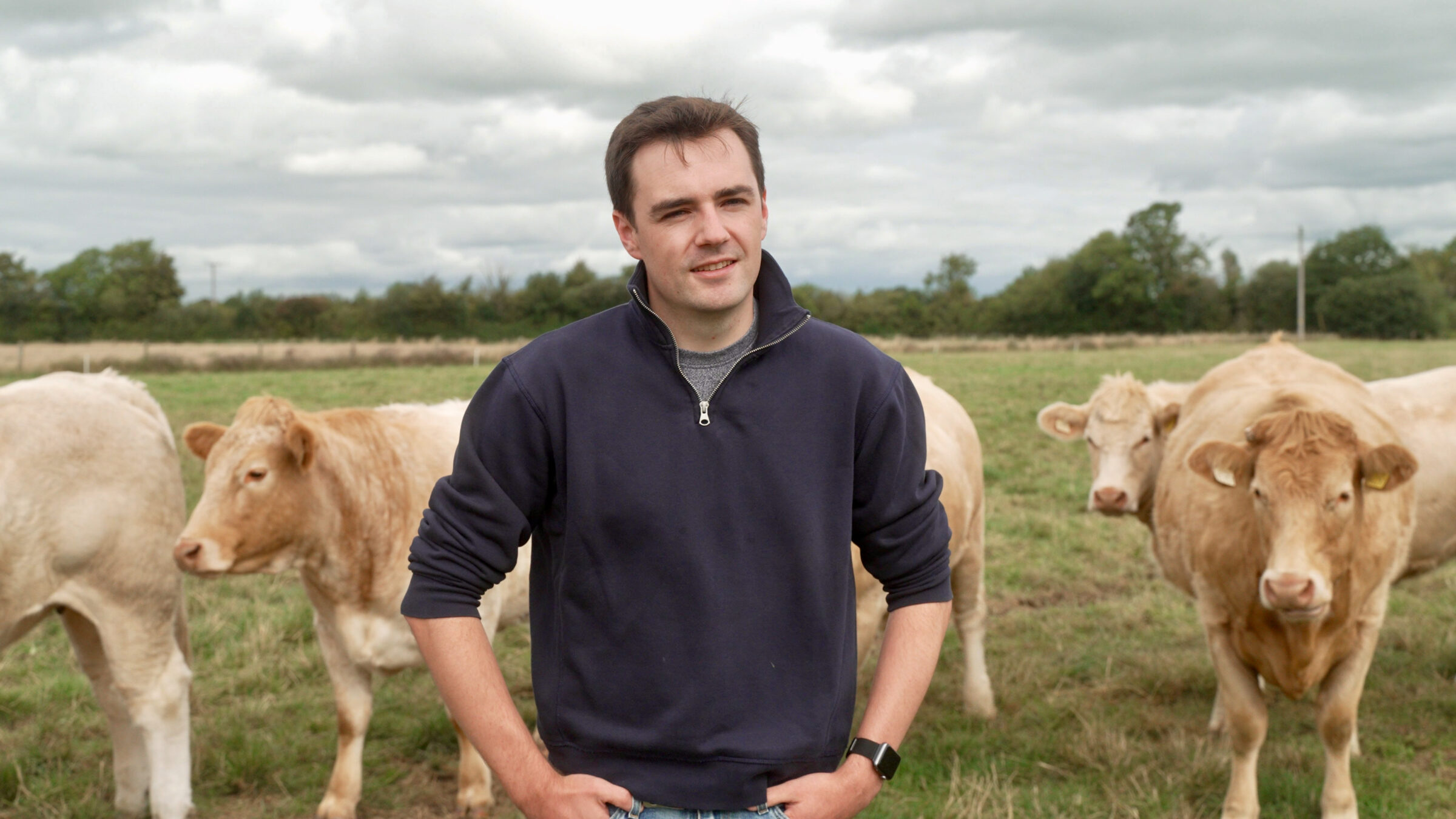
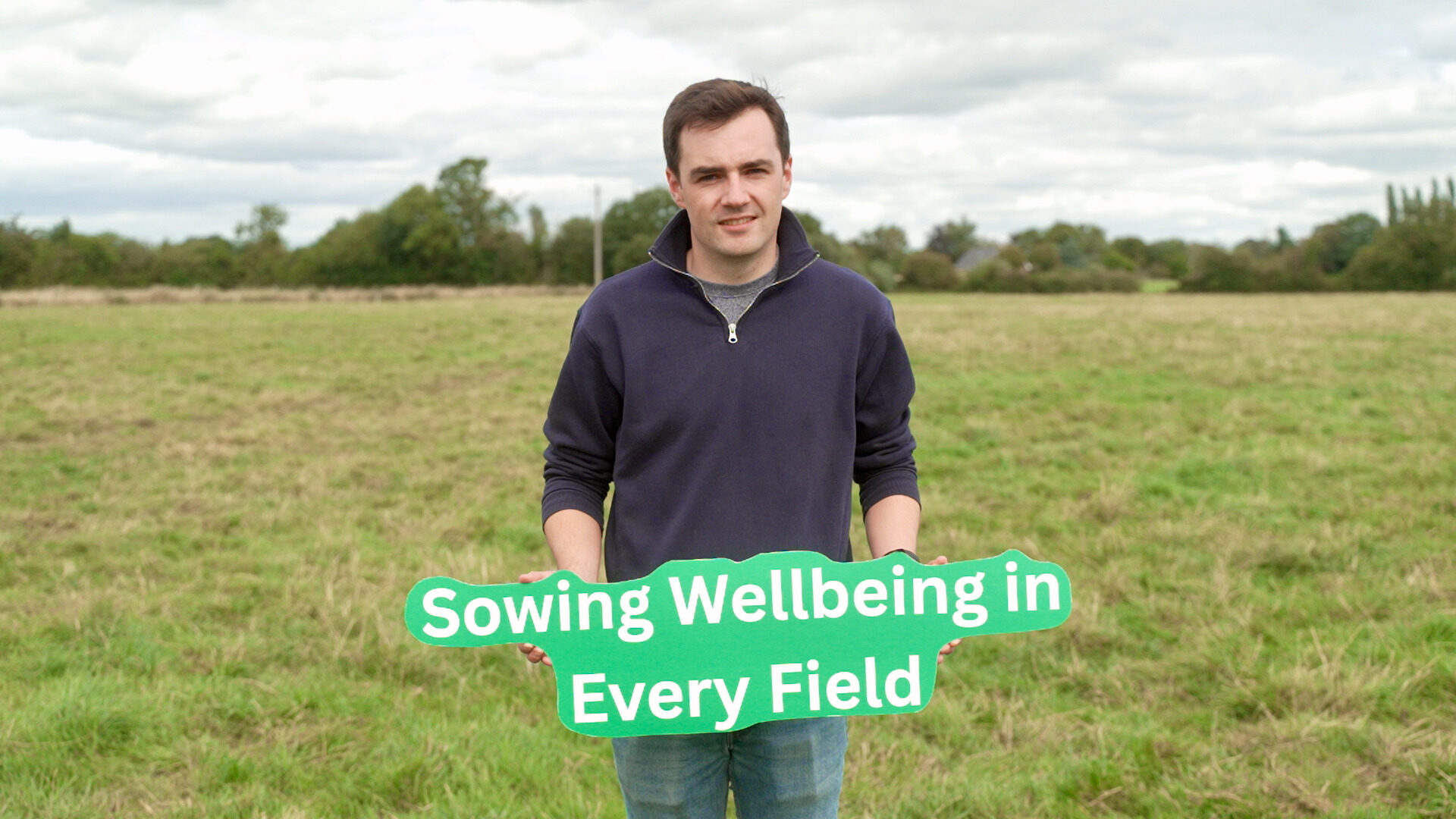

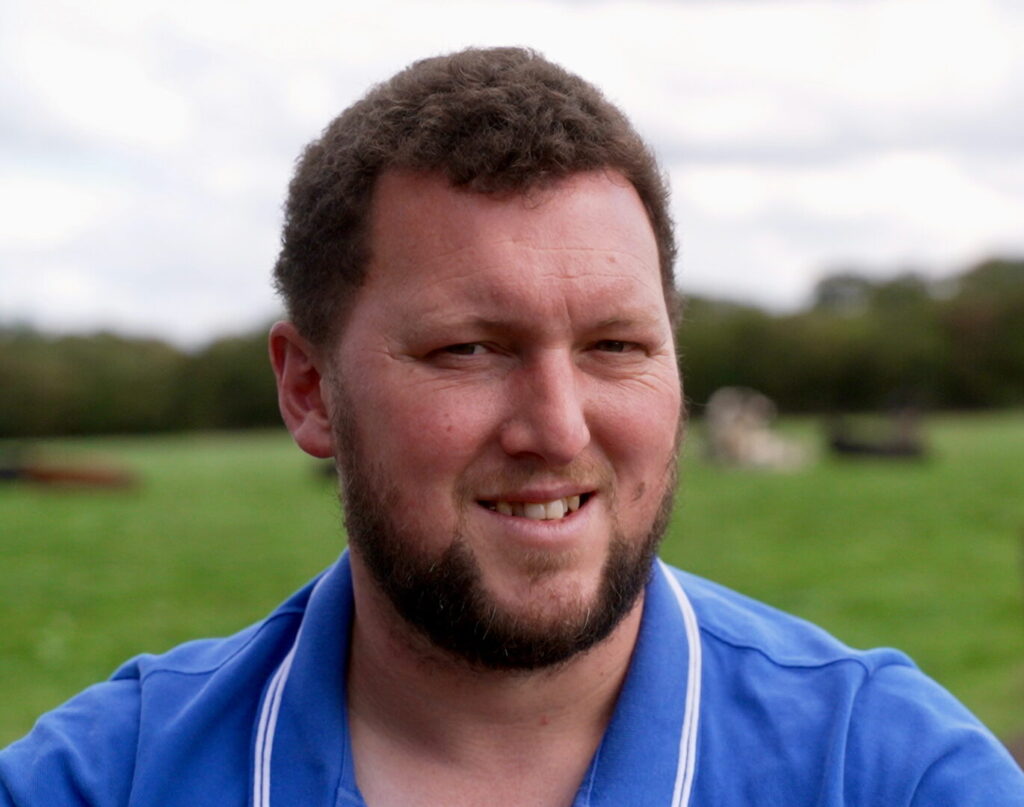
Hi, my name is David Kelly and our farm is located in Co. Kildare. I balance farm work with a nine-to-five job in research, fitting in the farming during mornings, evenings, weekends, and busy periods like housing, harvesting, and when cattle are going through the yard.
Your health matters to us, and we want to hear from you!
Please take a few minutes to complete our Survey.
From the Experts
Heart Health
By Dáire Conway, Health Promotion Officer (Physical Activity) with the Irish Heart Foundation
Healthier Lifestyles for Farmers
Improving heart health is crucial for everyone, especially for farmers in Ireland.
According to the Central Statistics Office, cardiovascular disease (CVD), which includes heart disease and stroke, is a major health concern, claiming almost 10,000 lives annually in Ireland. This accounts for almost 30% of all deaths.
The Irish Heart Foundation’s Farmers Have Hearts programme, which provides free heart health checks in marts across the country, highlighted a startling statistic:
- 74% of the farmers in Ireland in a study had four or more risk factors for CVD, putting them at an increased risk of developing CVD at some point in their lives.
- One of the risk factors is high blood pressure.
- The good news is that 80% of premature deaths from CVD are preventable through healthier lifestyle choices.
While farming is a physically demanding job, farmers tend to be less likely to prioritise their own health, often putting it at the bottom of a lengthy list of daily tasks. However, by making simple changes, farmers can significantly improve their long term heart health and keep blood pressure under control.
Recommended Guidelines
While a day on the farm can be tiring, it may not meet the recommended national physical activity guidelines:
- At least 150 minutes of moderate-intensity or 75 minutes of vigorous-intensity aerobic physical activity each week.
- Muscle-strengthening activities at least 2 days a week.
- For older adults (aged 65+), balance and strength training recommended on 3 or more days a week to improve strength and prevent falls.
Regular physical activity is one of the most effective ways to lower your risk of heart disease and stroke. It boosts your cardiovascular fitness, helps lower blood pressure and assists in maintaining a healthy weight. Taking a brisk walk, jogging, cycling, or even swimming can be great ways to meet these guidelines outside of your daily work. Discuss any new activity with your doctor if you have high blood pressure or another medical condition, or if it has been a while since you last exercised.
What's on your plate?
What you eat plays a direct role in your heart health. A healthy, balanced diet is essential for lowering your risk of heart disease and stroke. Farmers, who often have long, demanding days, can find it challenging to maintain a consistent eating schedule.
However, it is vital to:
- Include plenty of fruits, vegetables, and whole grains in your meals: These foods are rich in nutrients and fibre, which are crucial for heart health.
- Minimise highly processed foods and limit your intake of foods and drinks high in sugar, fat, and salt: These can contribute to high blood pressure, high cholesterol, and weight gain, all of which are risk factors for CVD.
- Do not skip meals: Eating regular meals—breakfast, lunch, and dinner—with healthy snacks in between can help you maintain energy levels and avoid overeating later in the day.
- Planning ahead can make a substantial difference.
Training is Necessary
Beyond diet and exercise, a few other simple steps can make a significant impact on your heart health:
- Get regular health checks: It is important to know your numbers, especially your blood pressure and cholesterol levels. Regular screenings can help catch potential issues early.
- Follow health guidelines on alcohol consumption: Excessive alcohol use can raise blood pressure and contribute to heart failure.
- Avoid smoking: Smoking is a major risk factor for CVD. Quitting is one of the single best things you can do for your heart health.
Your health is your most important asset. By prioritising time for physical activity, focusing on good nutrition, and regular health checks, you can set the foundation for a healthier future.
Helpful Information
Resources
Advice
Advice on high blood pressure, healthy lifestyle, and free blood pressure check with the mobile Heath Unit.
Information
Read the High Blood Pressure Overview
Information on symptoms, and the free chronic disease management programme through GPs.
Free Health Checks
FREE one-to-one health checks in marts across the country to identify risk factors for heart disease and stroke.
Farm Safety Hub
Resources and support for cardiovascular health in rural Ireland.
Annual Check-ups
Annual blood pressure check-ups and ongoing management advice available free through the HSE’s CDM programme.
More from this campaign
Check out our other campaign stories